This post was written by Rory M., one of our summer students. Rory is a Music major at Brandon University.
In the era of the Second World War, music played a quiet yet significant part in Canadian life, both at home and abroad. With a rapidly changing landscape of music production and accessibility, it became a tool for countries at war to manage both morale and patriotism. Thanks to the growing widespread availability of radio, records, published sheet music, and efforts of the Armed Forces to sponsor musical and entertainment ensembles, music could now travel across international borders to provide a taste of home for service members. Unlike much of the music of the First War which was heavy and chantlike, the music of the Second War can often be characterized as nostalgic, sentimental, and longing, a much lighter and relieving medium for the ongoing hardships of a global conflict.
One of the most noticeable changes since the First War in the efforts of the Canadian Armed Forces was the growing presence of professional musicians in service. While many popular songs of WWI were composed by amateur musician soldiers with “grassroots enthusiasm”, the Canadian Government made a concerted effort to provide and organize musical entertainment, as well as other performers such as comics in the Second World War. Recognizing early the importance of entertainment on morale, it was identified that regular entertainment made members of the Armed Forces feel valued and cared for, and helped pass the time of service. Structured entertainment performance groups for the Armed Forces during this period include The Army Show, Meet the Navy, as well as the RCAF Blackouts.
The RCAF Blackouts, created as a variety show, brought dance, music, and comedy to air bases across both Canada and Europe, beginning in 1943 with more than 35 singers, instrumentalists, and dancers. Throughout the war, the RCAF created more than 40 bands at home and abroad, and original material by these bands was enthusiastically received by both members of the Armed Forces and civilians. These ensembles brought popular music in the style of many other popular artists like Glenn Miller and Benny Goodman to Canadians all around the globe, while maintaining a sense of locality and Canadian pride.
Despite the popularity of these musical performances, not all military musicians felt at ease with their role in the war. Many musicians had joined the Armed Forces with the expectation of combat and were struggling with disappointment and guilt when their musical talents evolved into entertainment. One RCAF musician, Leonard Coppold recounted “Oh gosh, we’re playing music while my buddies are being shot down and killed.”. This sense of discomfort for military musicians was not uncommon for the time, however as Western University Historian Jonathan Vance notes, anyone who witnessed the effects of these performances on weary troops understands that the military musicians of the time had a tangible effect on the war effort.
Canada was not alone in their recognition of the power of music during wartime. Across axis countries especially in Nazi Germany, the popularity and control of music and radio took on a new dimension of strategy. In the time of the rise of Hitler, radio ownership in German households had increased (like most households of Europe and North America), from roughly 4 to 16 million. This dramatic rise in access allowed the Nazi establishment and propaganda ministers to exert significant control over musical content and broadcast; especially that of black- American music like jazz and swing. Largely, never before in human history had states held such influence over the production and dissemination of popular music, and it was evident that music had very different goals for different governments.
Ultimately, the music of the Second World War was deeply tied to the emotional needs of listeners. Helping many members of the armed forces endure long periods from home while reminding them of their identities and communities, music also helped many Canadians at home persevere through difficult times with family members away at war. It can therefore be observed that music was not a background detail in the war, but rather an active force in helping Canadians survive through wartime. Through heartfelt songs, lively dances, or travelling shows, the music of the Second World War brought comfort, strength, and distraction to one of the most pivotal and consequential periods of Canadian history.

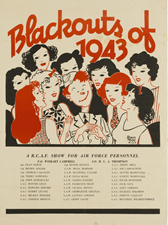
 Commonwealth Air Training Plan Museum & RCAF WWII Memorial