This post was written by one of our summer student workers, Seraphina G., Seraphina wrote a few post for us last summer, and continues with this one, she is a music student at Brandon University.
It’s all the small things that keep this museum running. While a museum is a large project that requires extensive fundraising and public outreach to keep standing, at the heart there are little details that need to be attended to; little details that mustn’t be forgotten. All museums are the same in this way, and the Commonwealth Air Training Plan Museum is no different. Museums and those who work in them are starkly aware of this fact and continuously choose to aid each other rather than treat others as competitors. If we receive a donation that cannot be housed in our archives, we will find a better home for it as quickly as possible — we will find another museum to care for it. We are committed to preserving the past, even if it means we cannot provide that protection ourselves.


That kind of commitment isn’t made; it’s born from both passion and choice. It’s museums and their volunteers who hold onto history and choose to passionately preserve our past for all future generations to come. There are so many ways in which this is done, and our museum is lucky to have such a wide assortment of focused and caring individuals. The CATP Museum is situated in a historic hangar that officially opened in 1941, making it 84 years old today. This building was constructed under severe time constraints and pressure from the war; it was never meant to last more that 5 years. The fact that our hangar is still standing today seems like a miraculous feat of magic, but truthfully, that’s not why it’s still here. Our hangar is here due to this aforementioned passion for preservation.
A building like this takes an incredible amount of maintenance. From repainting and repairing, to checking the integrity of the old, creaking trusses, there is work that needs to be done consistently. The lawn needs to be mowed, concrete floors swept, and all the electrical wires need to be inspected. This is all done by our ardent volunteers, who are here daily, who take time out of their lives to be here. Work like this often goes unnoticed and underappreciated, yet it is still done because of how much our volunteers care for the museum. I recognize this kind of work may seem thankless, but it is so deeply valued — so this is my thank you, I write out of undying support to those who work hard to maintain this building. This museum would not be standing if it were not for their dedication.
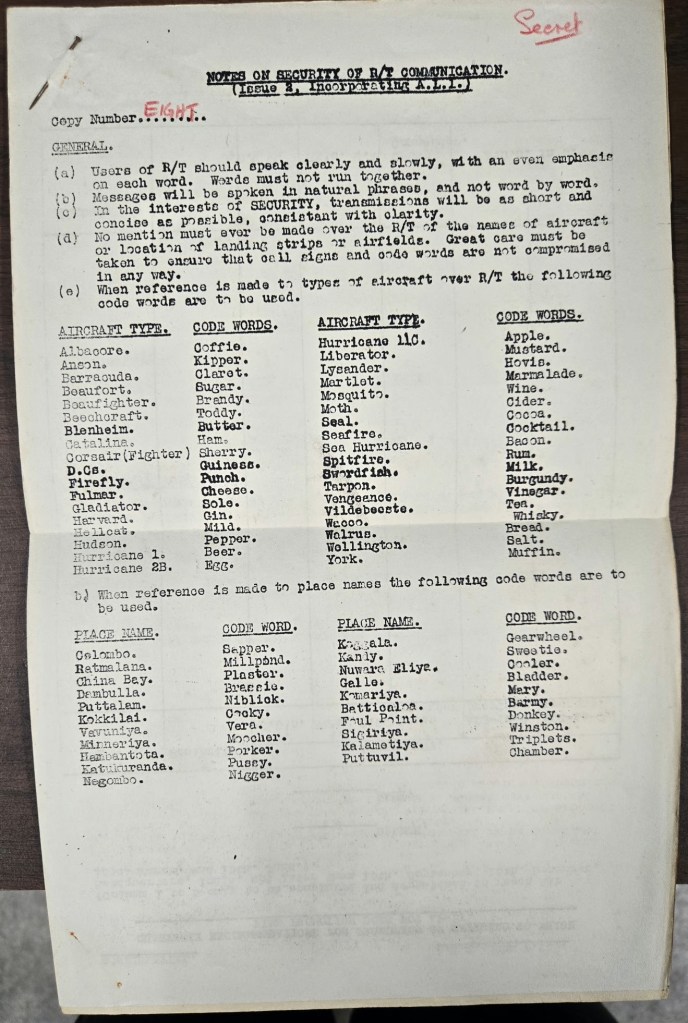
Our volunteers do more than just maintenance. Our archives are vast, and they contain over 40 years of remarkable donations. Every single donation, every object bequeathed to our possession has been carefully tended to with loving hands. Each item analyzed, labelled, catalogued and placed safely on a shelf. Not to collect dust, but rather to hold our history to light and keep it spectacularly preserved. What you see in our exhibits, is not all that we are. Maintaining archives takes countless hours of work, and again, this work often goes unnoticed and underappreciated. Every little thing is lovingly looked after by our dedicated archival team; every photograph that was once cherished has been acknowledged and sweetly cherished once again by our diligent volunteers. Our history would so quickly disappear if it were not for these volunteers who are so willing to preserve it.
Our website and social media are other things that are carefully managed by our volunteers. The world is quickly advancing, and all museums alike are doing their best to adapt. The world is at our fingertips, and all knowledge is just a few clicks away — it’s amazing and it has done so much for our society. However, it has left its marks in many negative ways. Our history, and the fires that forged us are incredibly important, though culturally our focus tends to lie on the present. Our website and social media allow us to bridge that gap, creating a beautiful juxtaposition of the past and present. Without volunteers willing to take photos, write blogposts and take the time to form social media posts, there’s a level of public outreach that would be lost. When it’s right at our fingertips, it’s so easy to forget about the loyal volunteers who put it there in the first place. This is one of the many little things that keep us afloat here at the CATP Museum.
I am writing this today, as a thank you to everyone who tirelessly volunteers their time to this museum. While everyone is focused on larger scale projects, you manage all the small things that keep us running, that keep history alive. Without you, this museum would have disappeared long ago, and it would have faded into a forgotten memory. This is also more than just a thank you. This is a love letter to all museums and all the people within them who are passionate enough to care. If you ever feel like your dedication to preservation is overlooked or underappreciated, please know that I see you, we at the Commonwealth Air Training Plan Museum see you. You are doing utterly important work. If we do not know our past, we are doomed to repeat it. All the small things have made it so that our history as a people will never fade and be forgotten.