At the start of the war, the BCATP had to be equipped very quickly with ground resources. In many cases, specific airside equipment was not available, so farm tractors were often used. Many early pictures of the BCATP stations show Fordsons, and other such tractors being used to move aircraft.
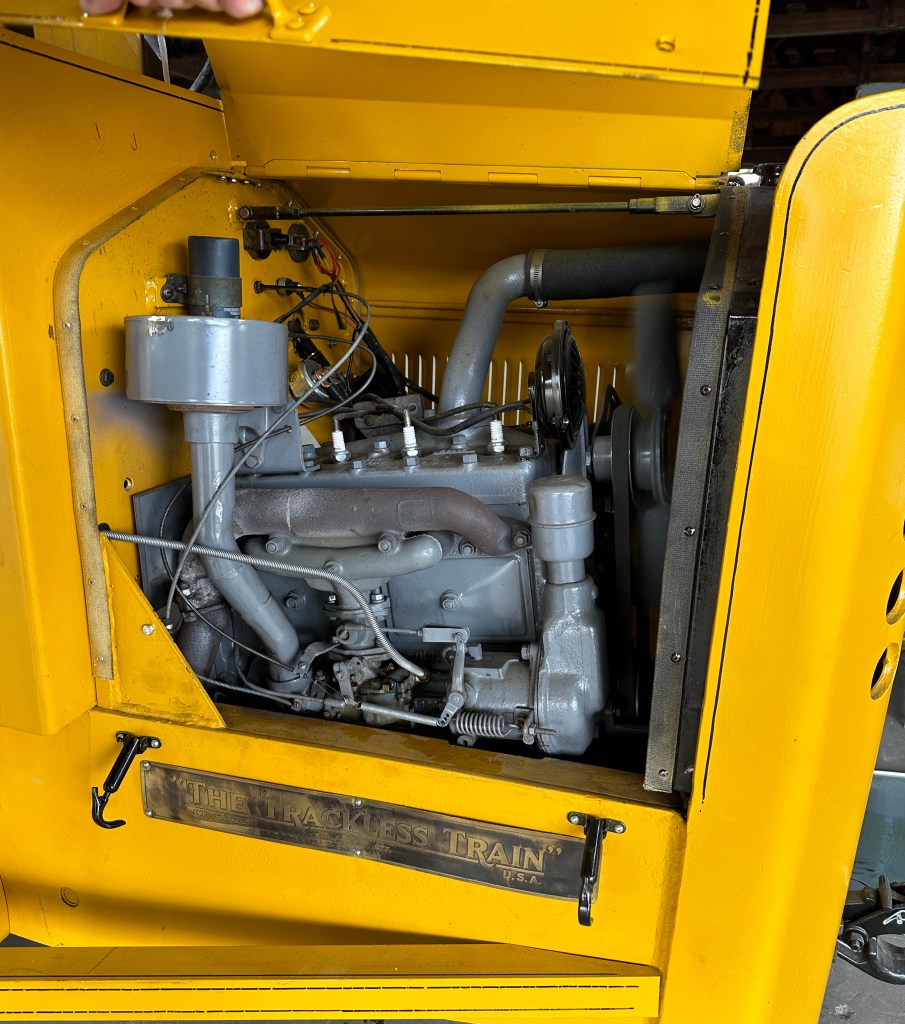
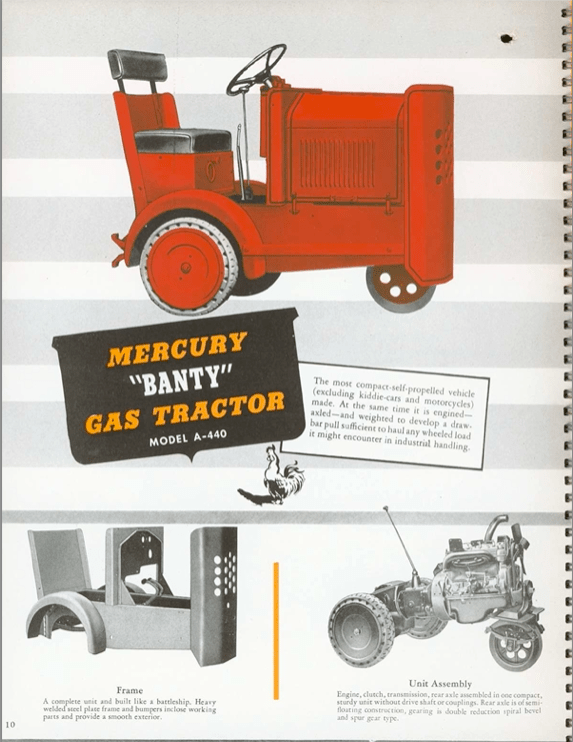
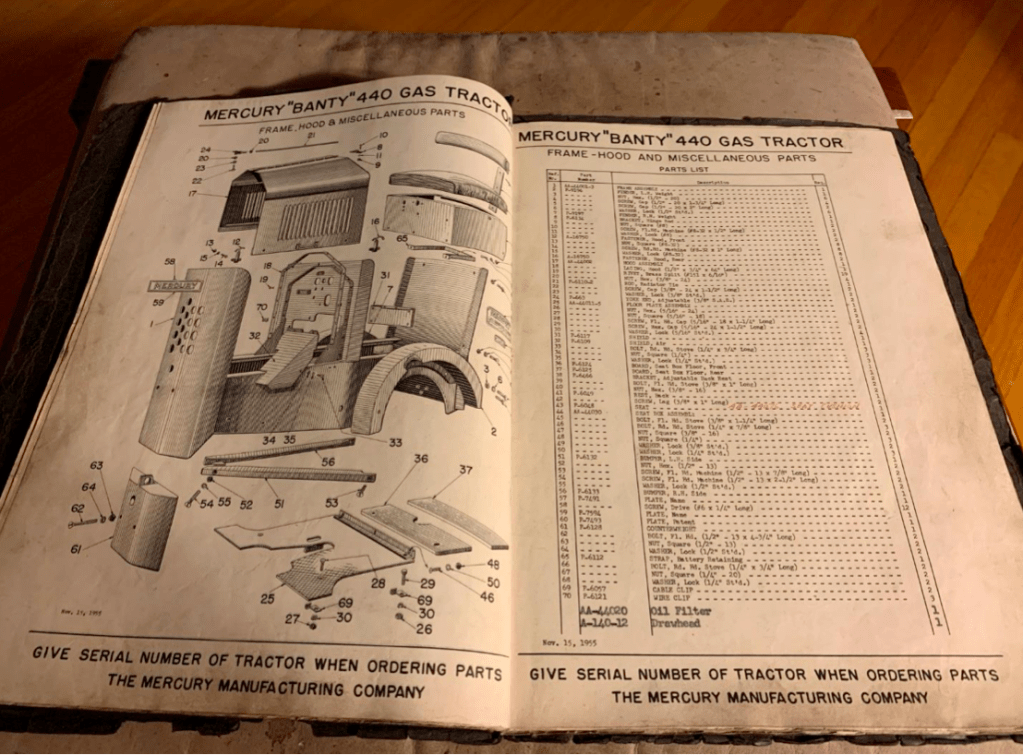
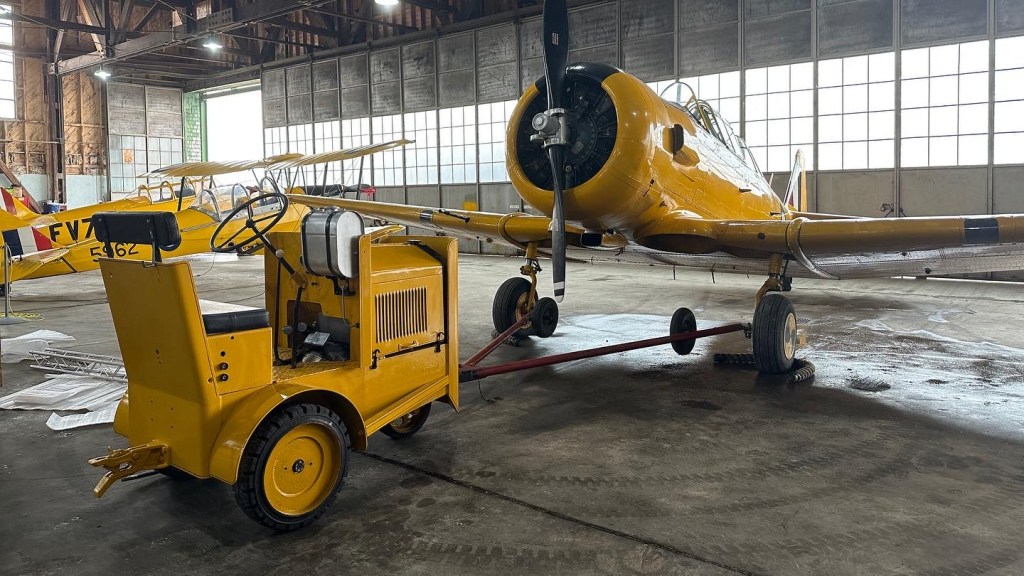
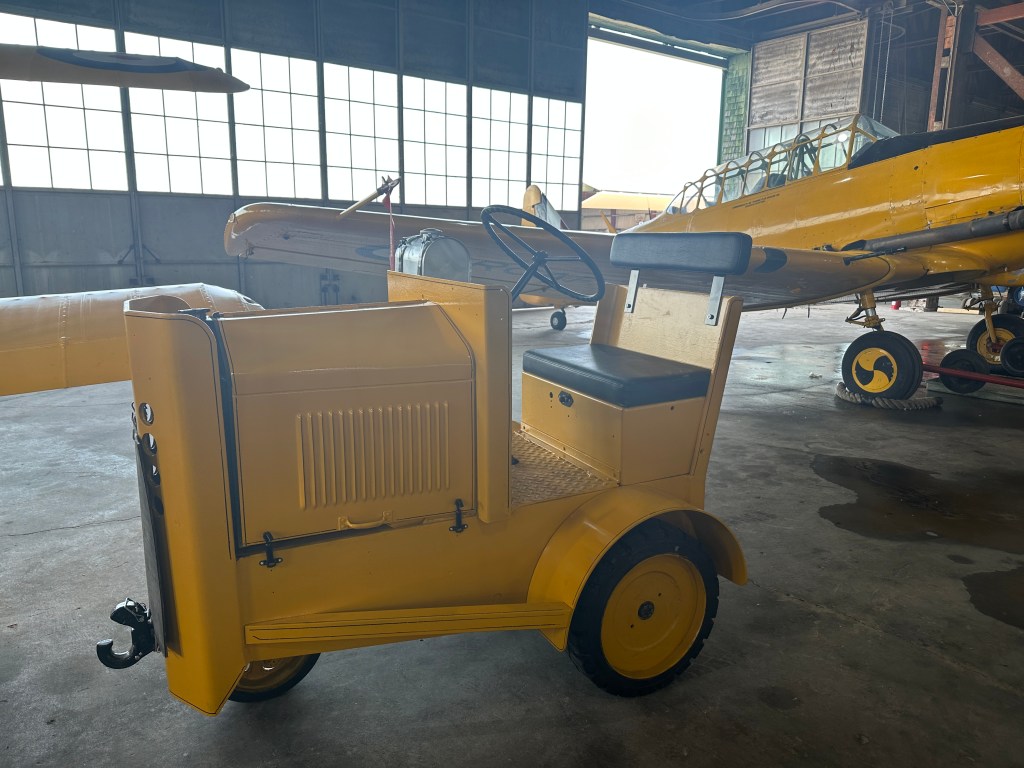
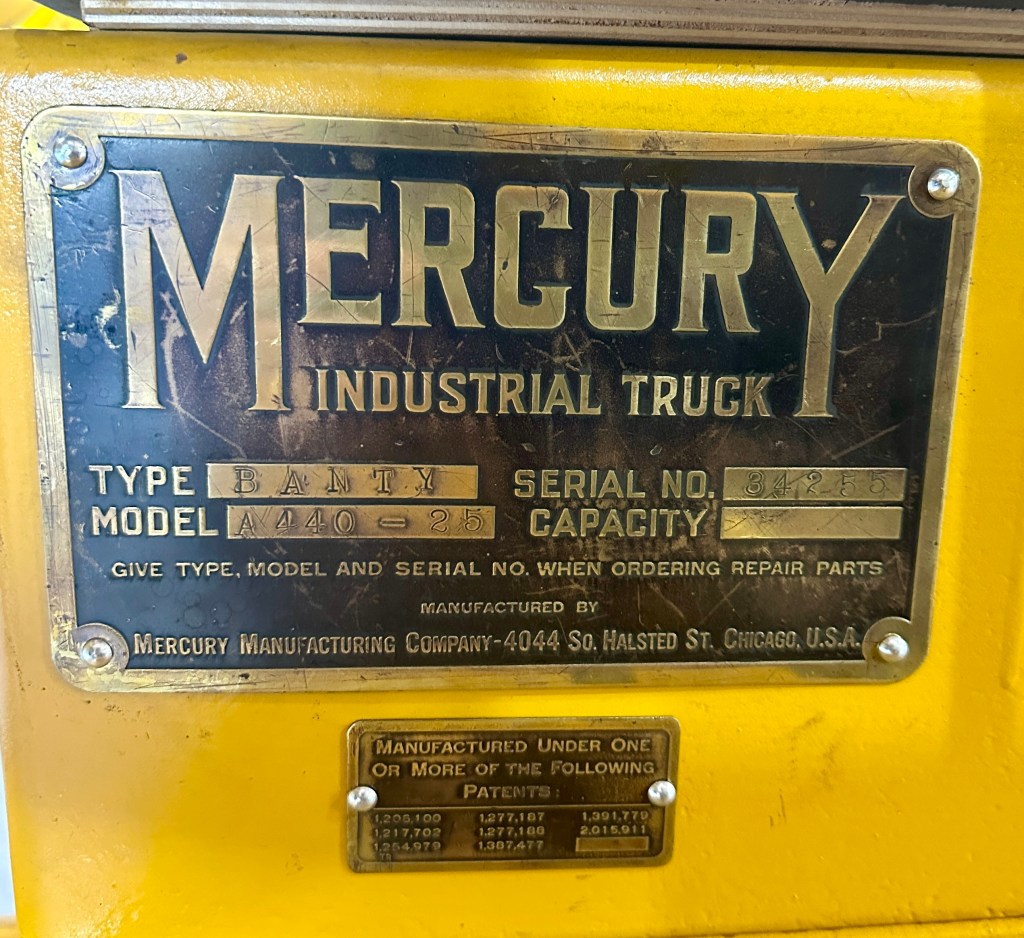
These early tractors were quickly found to be only suitable for pulling aircraft. Pushing an aircraft requires a more specialty piece of equipment, and the RCAF began looking for more permanent aircraft towing options almost immediately. The Mercury Manufacturing Company of Chicago, IL developed an option called the Banty 440, or the Trackless Train. The Banty was first built in 1942, and it quickly developed a reputation for reliability and ease of use. The tow tractor used an external chassis frame that provided a significant amount of strength. Pulling and pushing hitches were available, along with a three-speed manual transmission. The Banty required full paved surfaces to operate on and was primarily designed for use around aprons and hangars.
It appears that the RCAF only ordered the Banty 440 to be used at what they considered to be permanent stations, or stations that would likely exist after the war. Photographs are available of Banty 440’s being used at stations like Winnipeg, Borden, and Trenton. They were an important part of ground operations for the remainder of the war.
The Banty 440 was used up until the mid-1960’s, having been sent off to smaller stations as better equipment became available. The larger stations also began operating heavier aircraft requiring larger equipment. Photos of Banty’s serving at places like McDonald, Gimli, and Penhold are common.
History of this Tractor
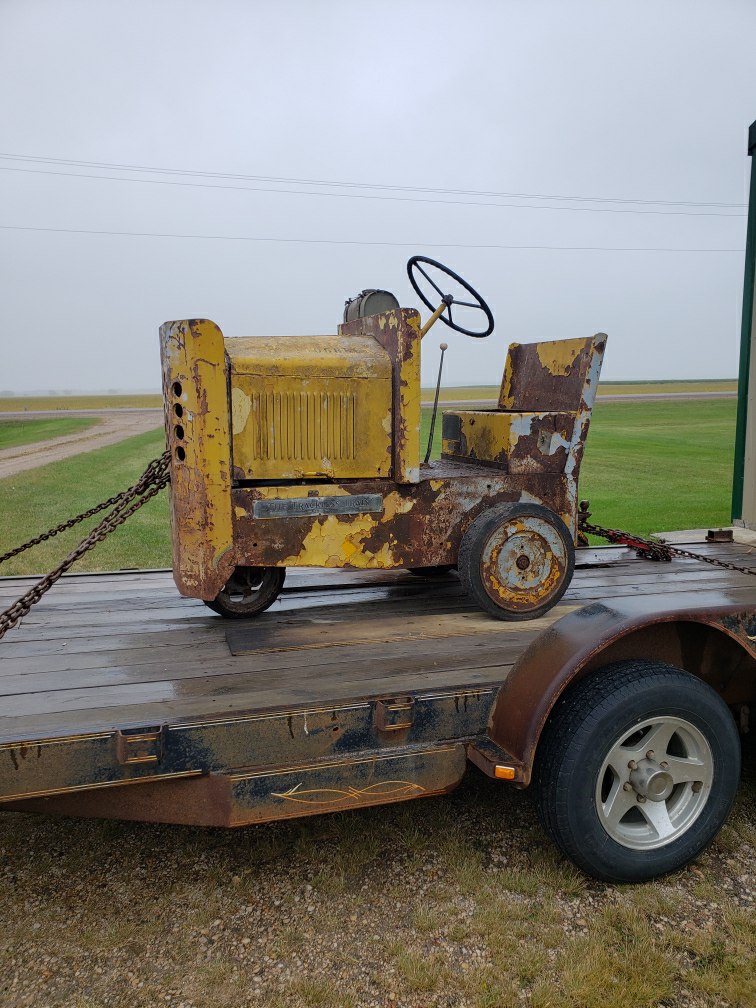
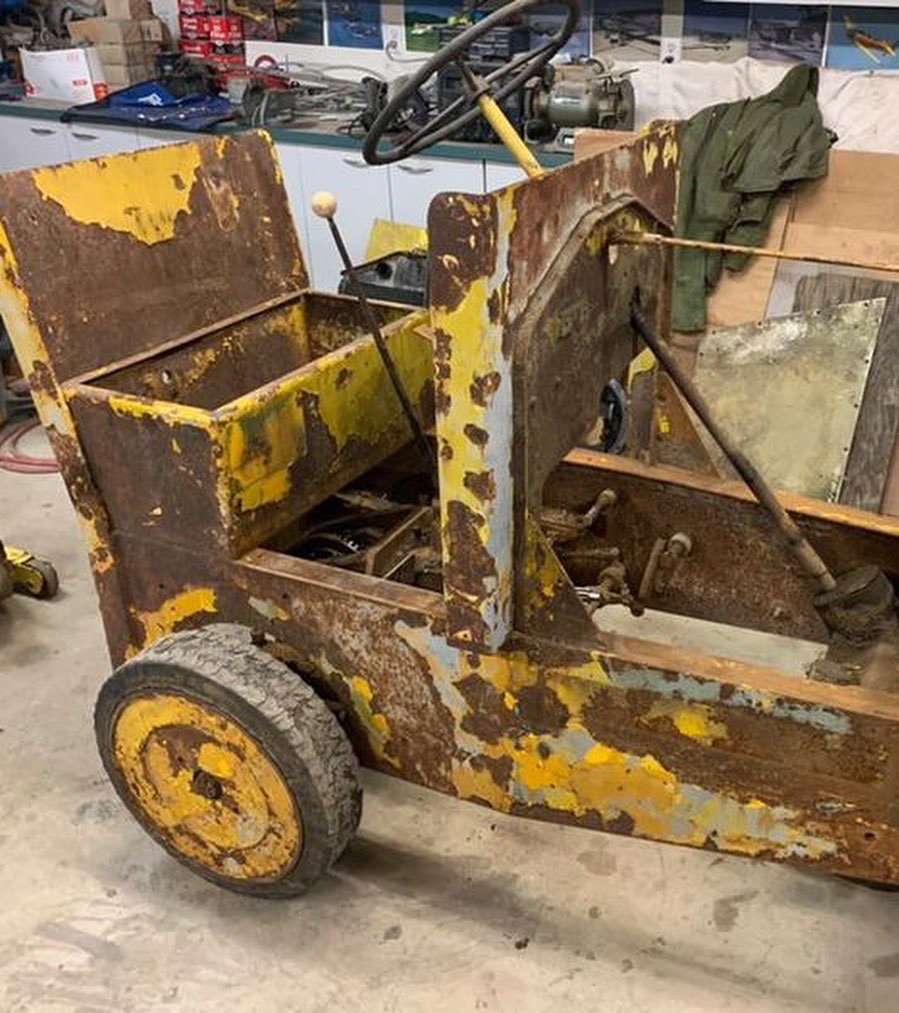
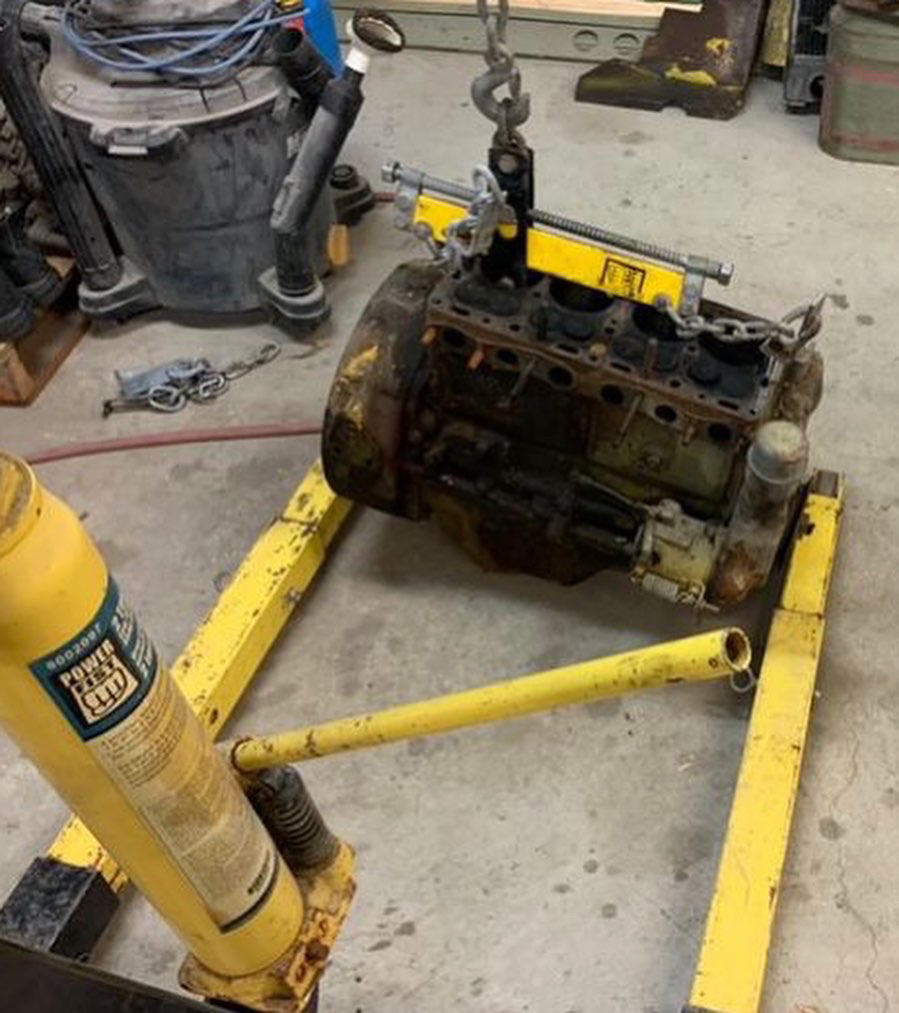
For many years, a car dealer near Beausejour, Manitoba, had been using this aircraft tow tractor to move disabled cars. The tractor had been offered for sale several times, with no buyers found. Finally, the dealer offered the tractor to the Thresherman’s Museum, and in this way, it came to the CATP Museum. It was donated by Blandine Hardman and Sons in 2022. It was refurbished by museum volunteers
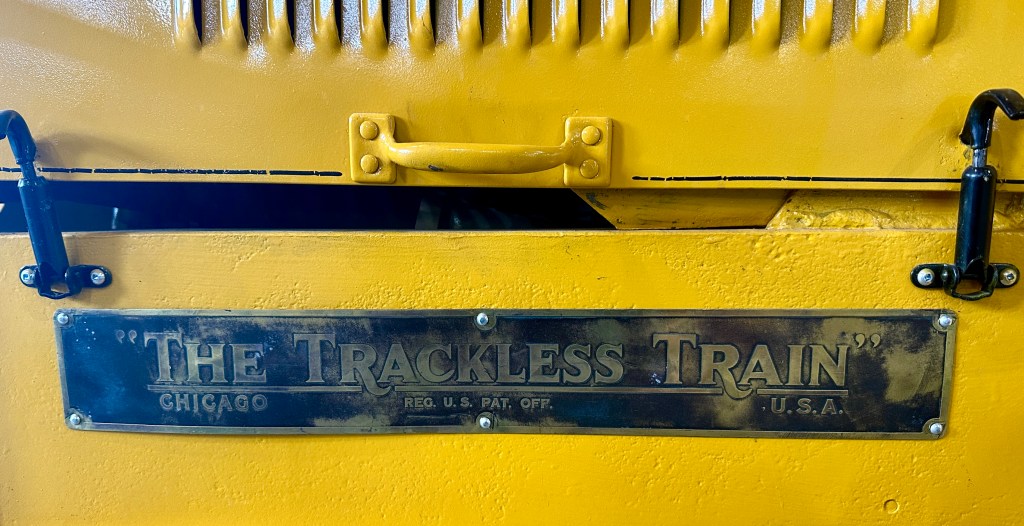
Although there is no production date on the unit, it appears to be from wartime manufacture. There are several RCAF ownership plates riveted to it, and the original data plates are all still installed. An RCAF equipment serial number is also painted on the engine hood. The “Trackless Train” brass tags, which were not that common, are still installed on the sides of the frame.
 Commonwealth Air Training Plan Museum & RCAF WWII Memorial