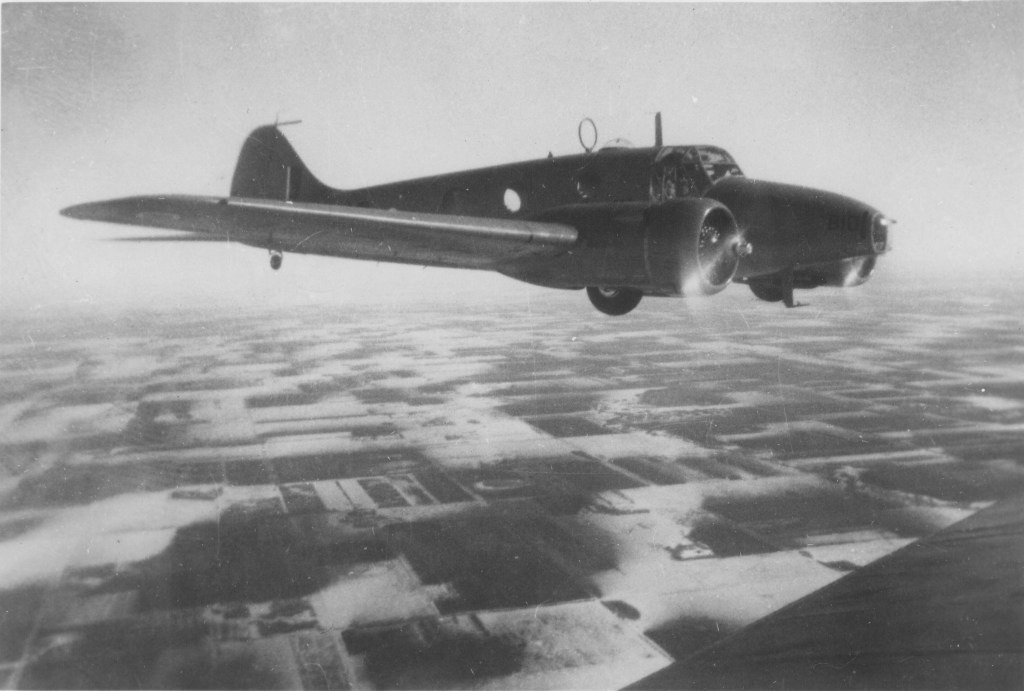
The Avro Anson was the true ‘workhorse’ of the BCATP, designed by A.V. Roe in the United Kingdom, it first flew in 1935. Almost 11,000 Ansons were built, including 1,832 Mk IIs and 1,049 Mk Vs built in Canada. The RCAF had 4,400 Ansons in WWII. Over the years there were many Anson variants built, with variations even within the various marks. The Anson was used for pilot training as well as for navigation, wireless, bombing, and gunnery training.
The Avro Anson was designed by A.V. Roe of the United Kingdom and first flew in 1935. In the UK, in addition to use as a trainer, the Anson was used for coastal patrol and as a light bomber. It was soon obsolete as a bomber because it was too slow and not well armed.
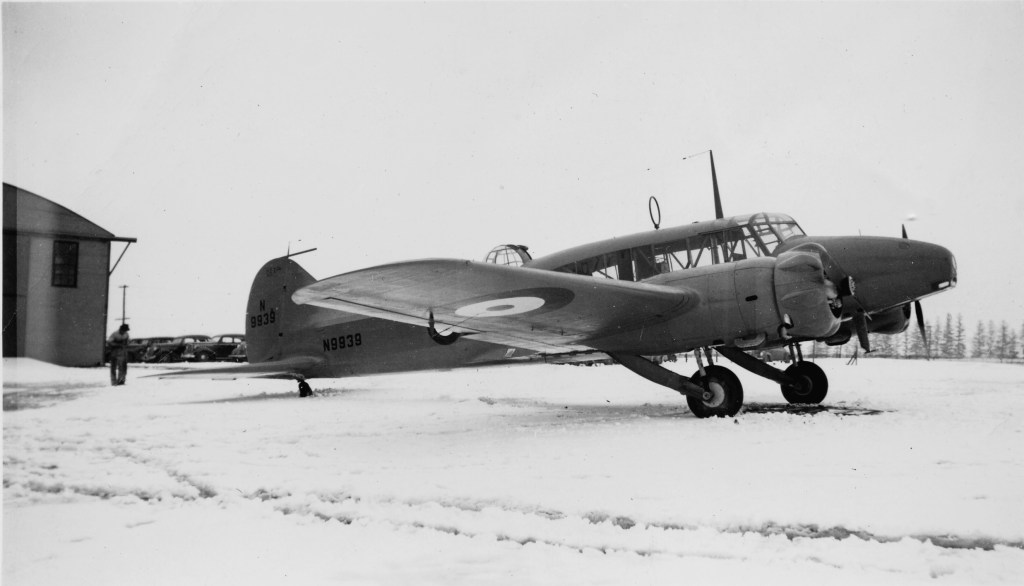
Mark I: Many Mk I Ansons were shipped to Canada for use in the BCATP. The Mk I had a fabric covered metal fuselage with a formed aluminum nose and fabric covered wood. It had a ‘greenhouse cabin” (many windows) with forward firing machine guns. It had fixed pitch Fairey Reed props, and Armstrong Siddeley Cheetah engines (350 hp) with Distinctive cowls with bubbles for the engine cylinder heads. The landing gear was hand cranked and the aircraft had no heat (not so good for Canadian winters!).
Some Quick Facts
note: there are many variants of the Anson, so specs vary!
- Manufacturer: A.V.Roe (UK) and several Canadian companies under the direction of Federal Aircraft Ltd, including MacDonald Brothers of Winnipeg.
- Engines: Mk I: Armstrong Siddeley Cheetah IX. Mk II: Jacobs L6. Mk V: Pratt & Whitney 985 Wasp
- Maximum Weight: 9,275 lb (4,210 kg)
- Maximum Speed: 190 mph (304 kph)
- Cruising Speed: 174 mph (280 kph)
- Wingspan: 56 ft 6 in (17.2 m)
- Length: 42 ft 3 in (12.9 m)
- Service Ceiling: 20,550 ft (6,263m)
- Range: 1,130 mi (1,818 km)
- specs for Ansons can vary, this is from the RCAF website)
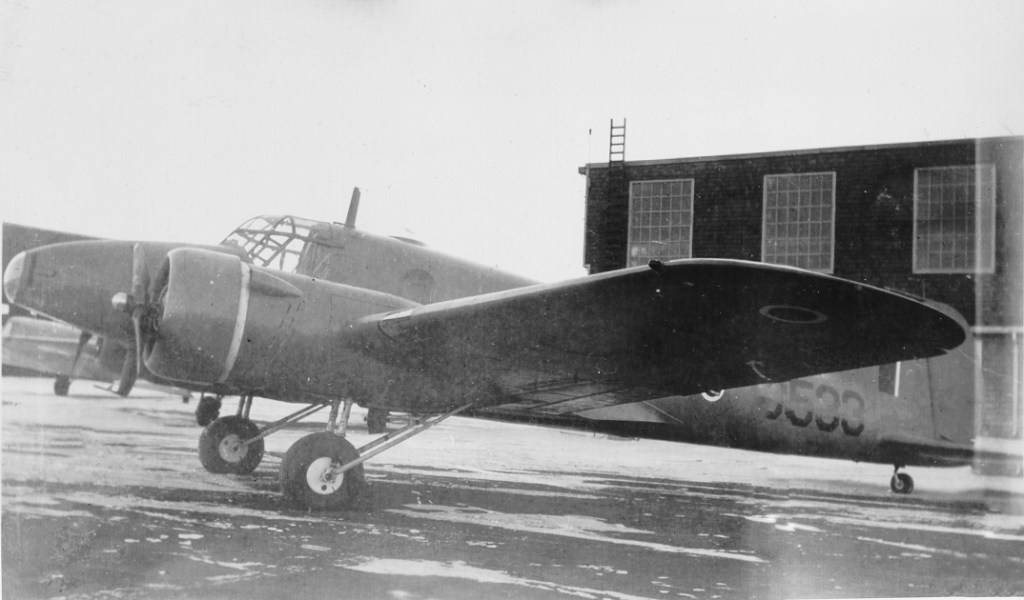
Mark II: The MK II was designed and built in Canada by Federal Aircraft, MacDonald Brothers and others for the BCATP. The cabin was more closed in with fewer windows and an actual heating system. It had Jacobs L6 engines (330 hp) with a hydraulic pump. It had smooth engine cowls, hydraulic landing gear, and fixed wood propellers. The nose bowl was made of formed plywood to reduce aluminum use.
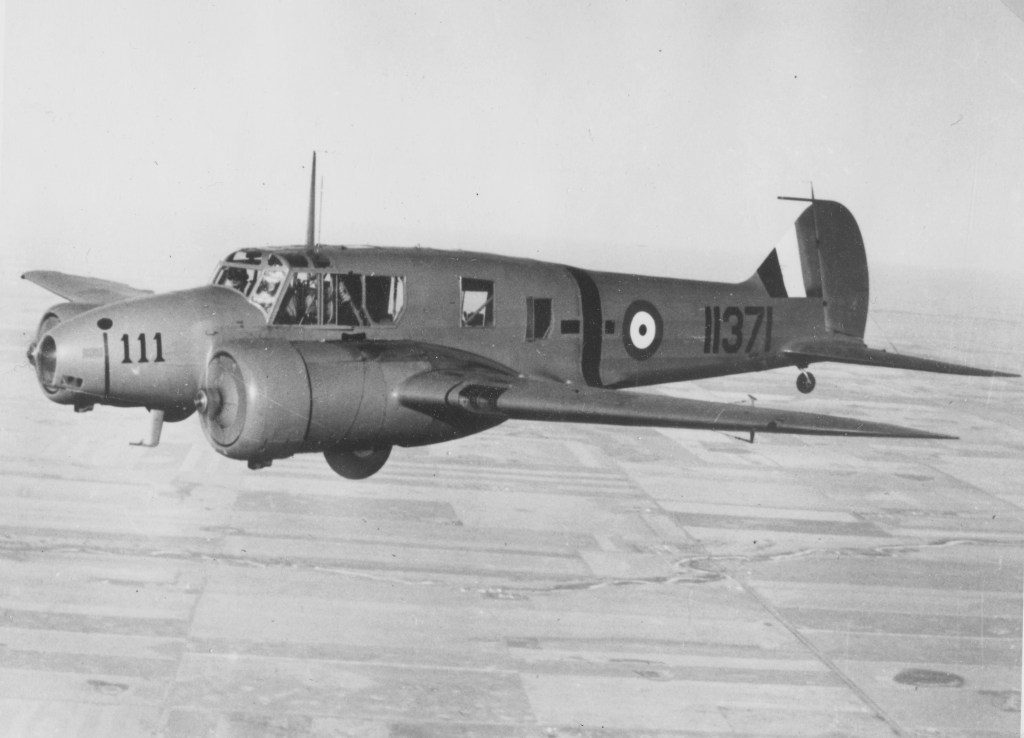
Mark III: The Mk III was a UK built Mark I that has been re-engined with a Jacobs L6.
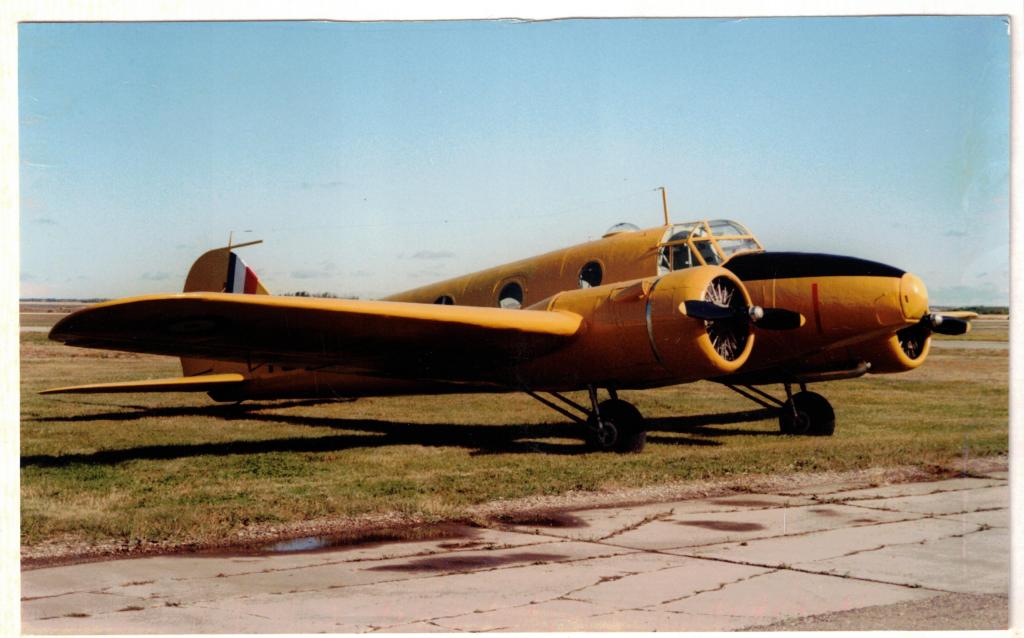
Mark V: The Mk V was a completely different airplane. During the war they were trying anything possible to reduce the use of steel and aluminum. The entire airplane was built out of heat-formed molded plywood. They replaced the under-powered Jacobs L6 (330 hp) and opted for the Pratt and Whitney Wasp Junior (985) at 450 hp, this engine was also supercharged. It was more flyable on one engine, and Hamilton Standard hydromatic aluminum feathering props were used. The Mk V was a good performer and served long after the war was over. Because of the wood construction, the Mark V is a very rare find today.
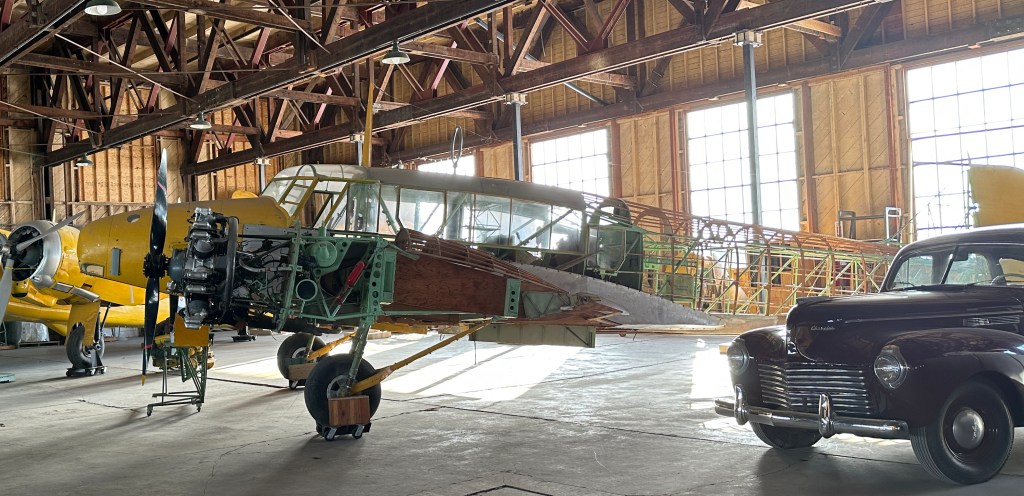
 Commonwealth Air Training Plan Museum & RCAF WWII Memorial