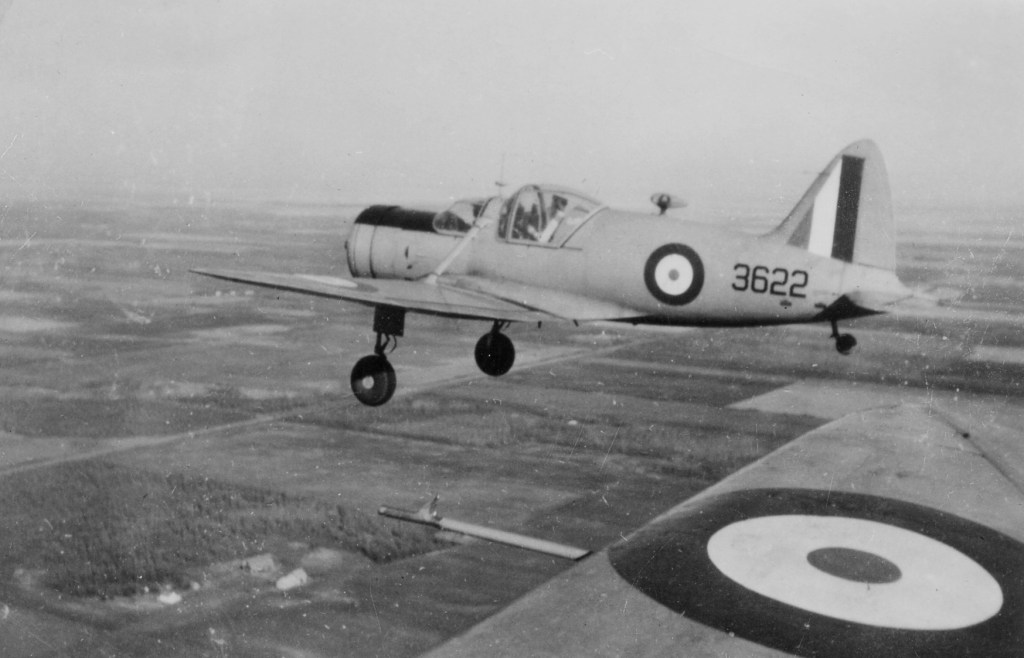
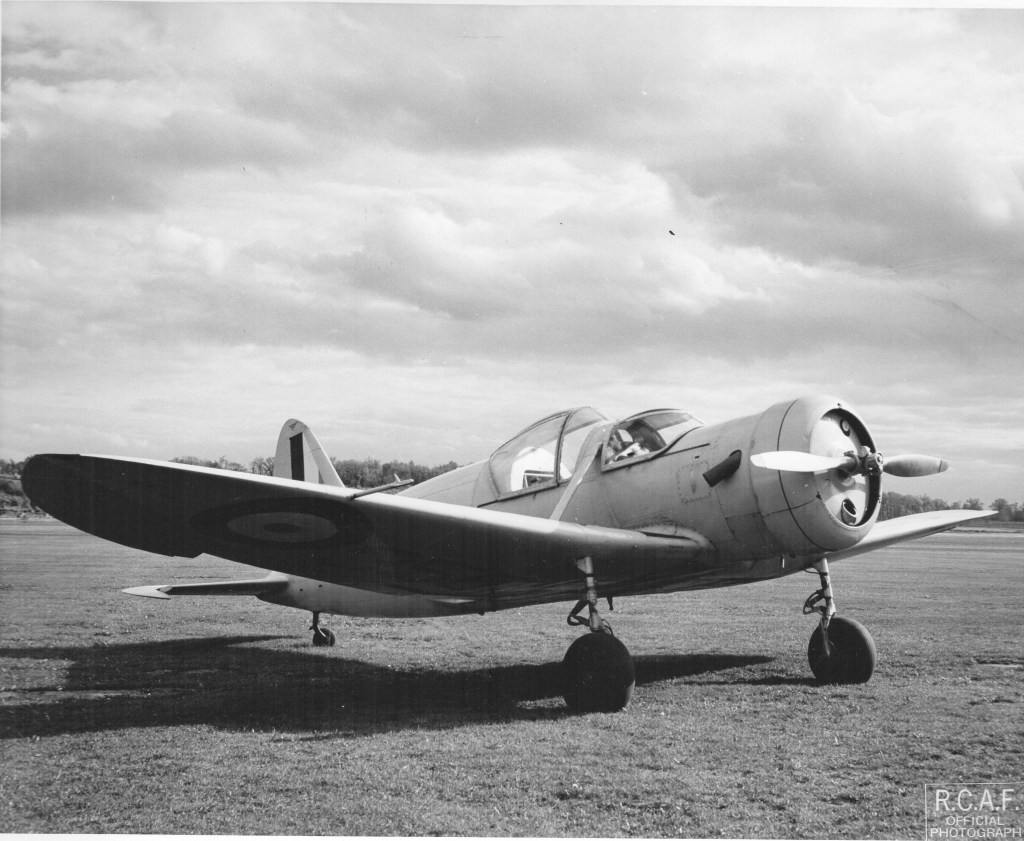
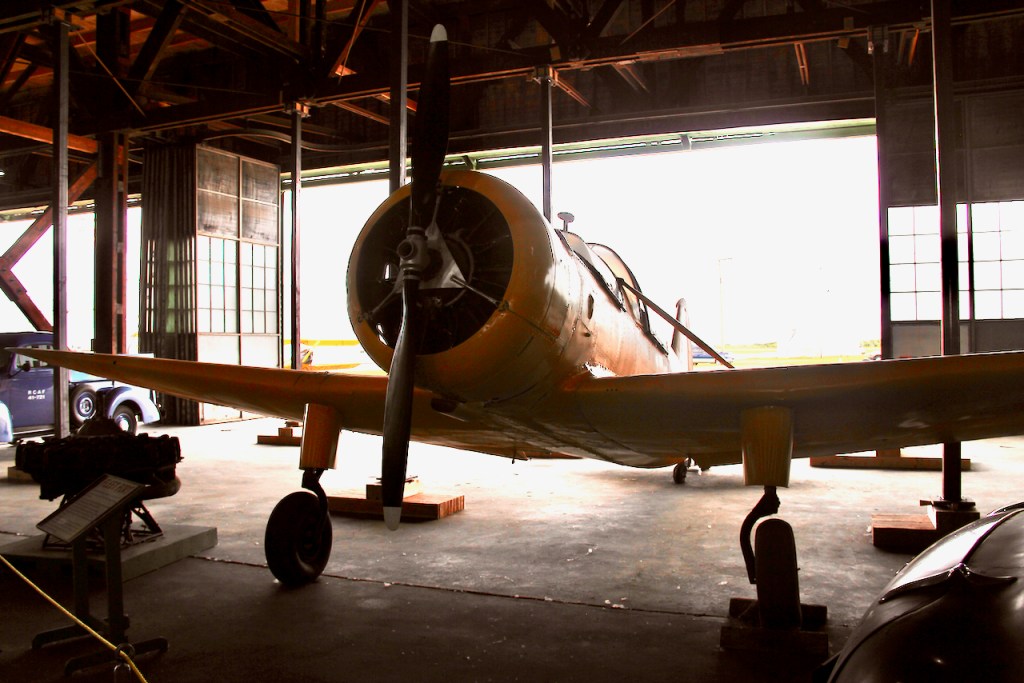
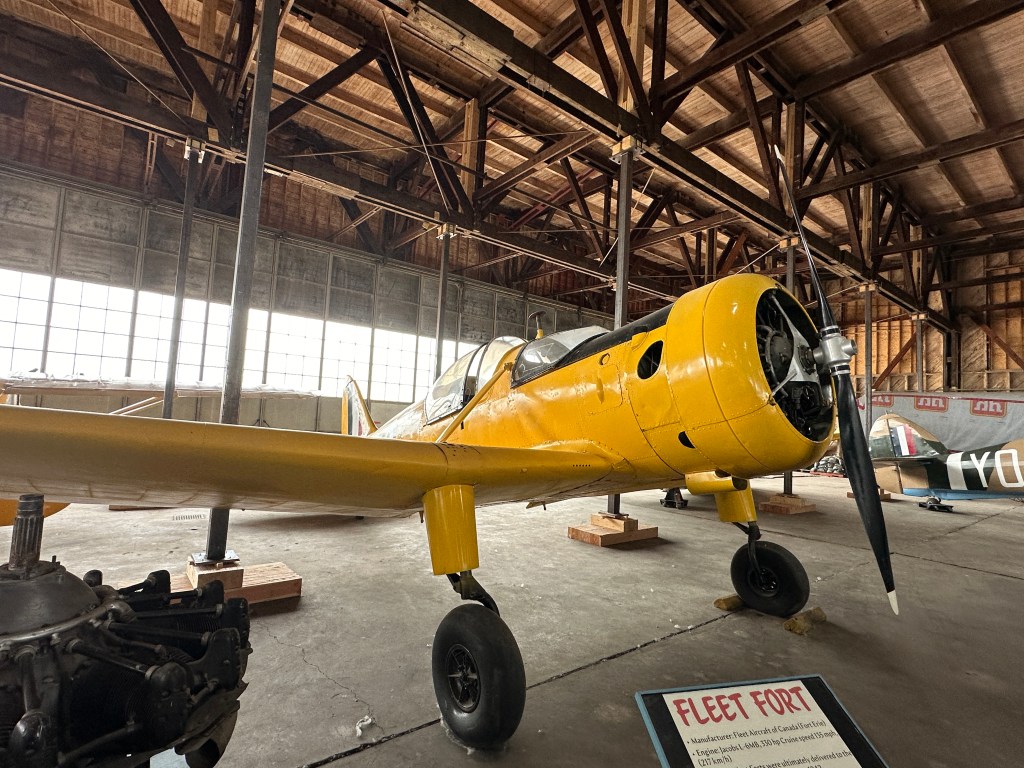
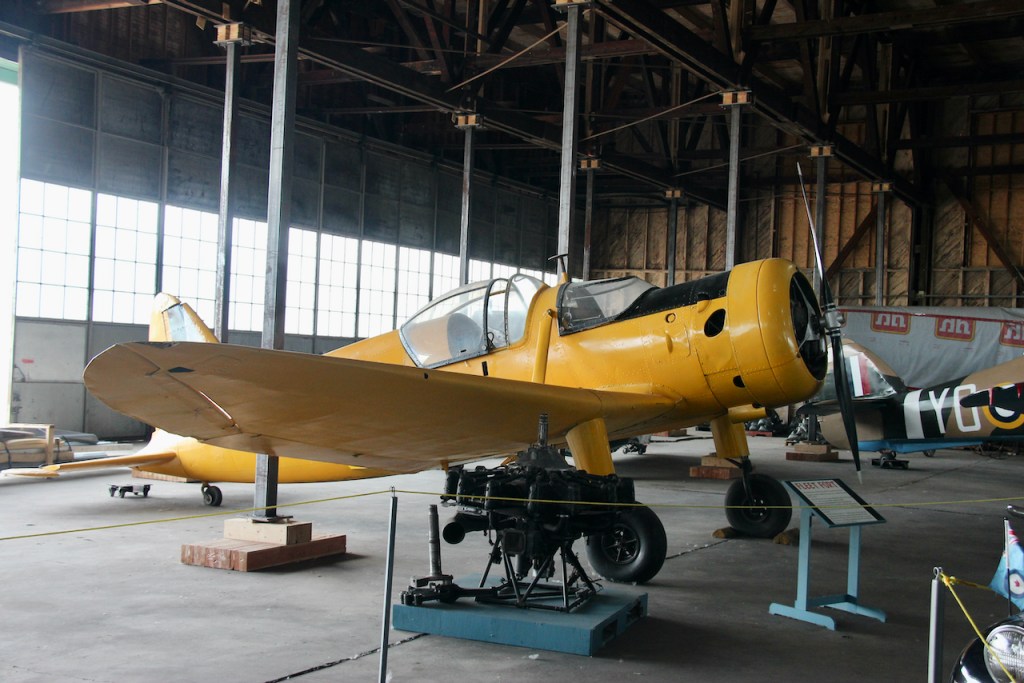
The Fleet Fort was designed and built in Canada and first flew in 1940, becoming operational in 1941. The Fleet Fort was the only airplane fully designed and built in Canada during the second world war. It was also the first monoplane by Fleet that was made entirely of metal.
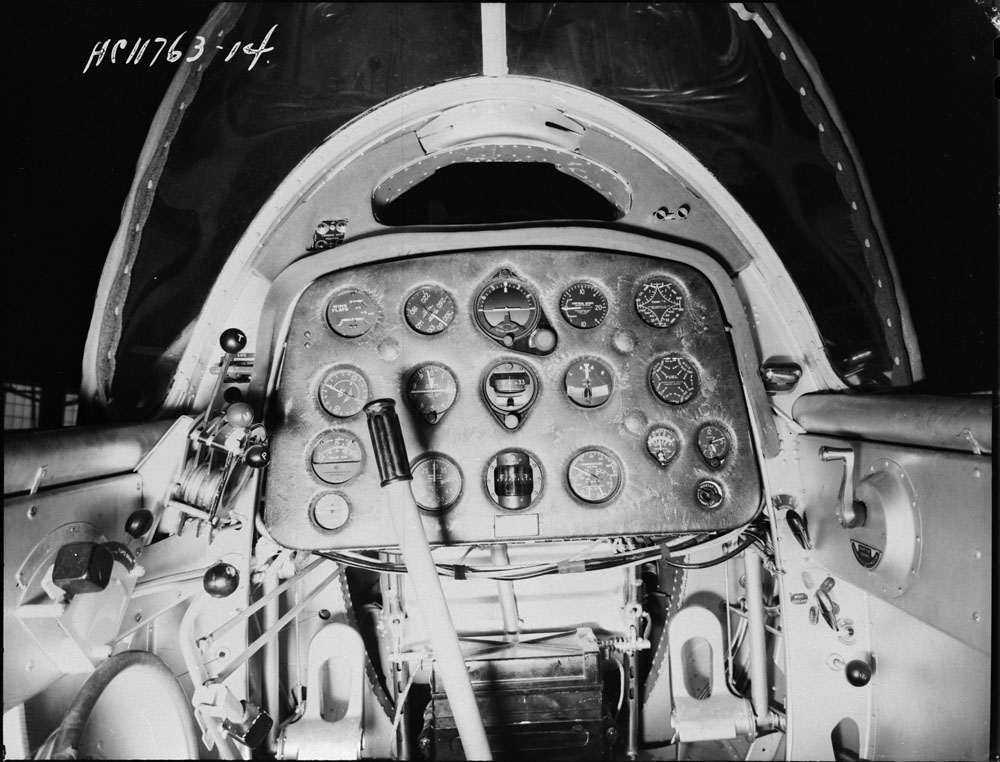
The Fort was meant to be an intermediate single engine trainer as a bridge between the Tiger Moth/Fleet Finch and the Harvard. It was found to be redundant when it was deemed that an intermediate trainer was not necessary. The Forts were repurposed to train Wireless Operators instead, serving in this role from 1942 to 1944 at wireless schools in Calgary and Winnipeg. The instruments in the rear seat were removed to install radio equipment. The Fort had generally good flying characteristics, however, it had some faults, such as faulty brakes, that could lead a student pilot into trouble. Only 101 Forts were built.
In addition to our partially restored Fleet Fort, we have a large collection of Fort parts and fuselage sections, including a rare instrument panel from the instructors cockpit, these were taken out of the aircraft when they were converted to wireless trainers.
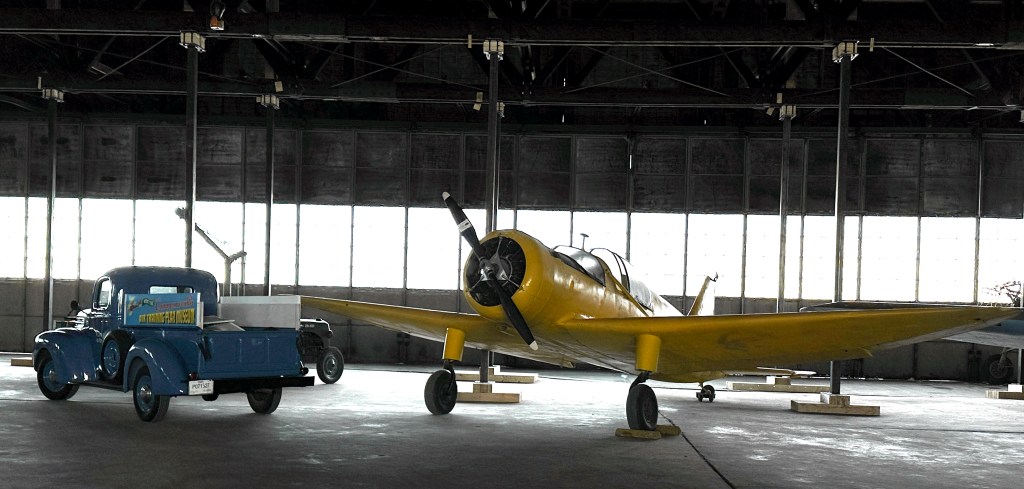
Some Quick Facts
- Manufacturer: Fleet Aircraft of Canada (Fort Erie, Ontario)
- Engine: Jacobs L-6MB, 330 hp
- Maximum weight: 1,589 kg (3,500 lb)
- Maximum speed: 260 kph (162 mph)
- Cruising speed: 217 km/h (132 mph)
- Wingspan: 36 ft
- Length: 26 ft 10 in
- Service Ceiling: 4,572 m (15, 000 ft)
- Range: 982 km (610 miles)
Archival Photos
Museum Fort
 Commonwealth Air Training Plan Museum & RCAF WWII Memorial