The CATP Museum has recently acquired three Norseman aircraft for their collection. The press release about this acquisition can be found here. One of these aircraft will be part of our flight program to honour this iconic aircraft. The CATPM will be one of only 2 museums in Canada flying a Norseman in this way. The plan is to eventually restore the other 2 as static displays.
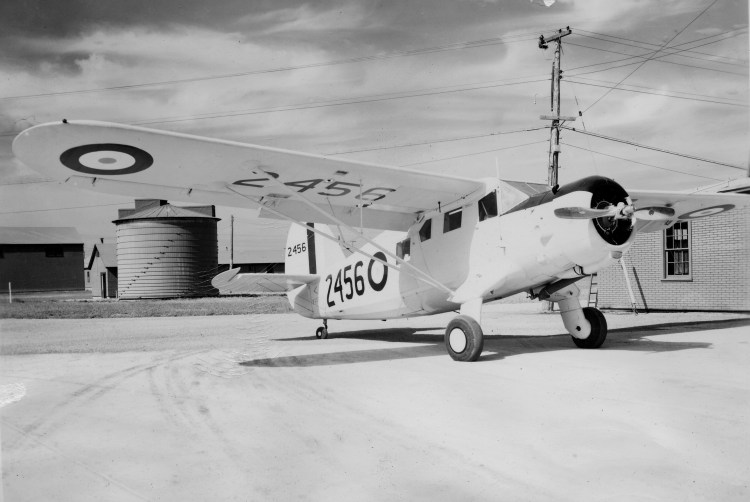
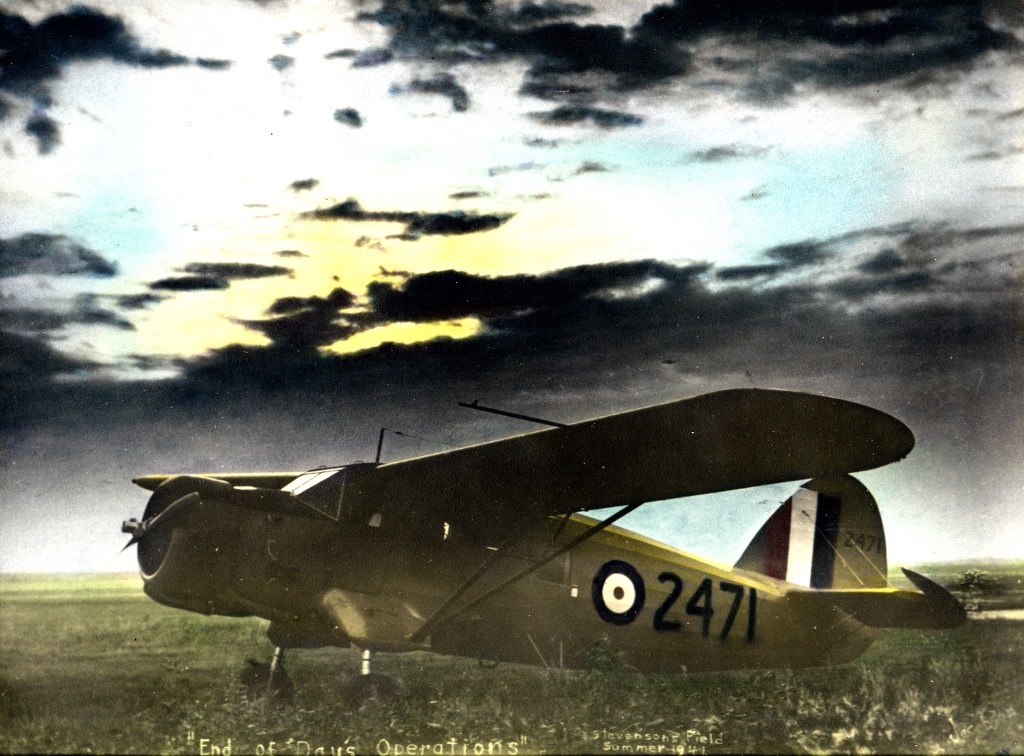
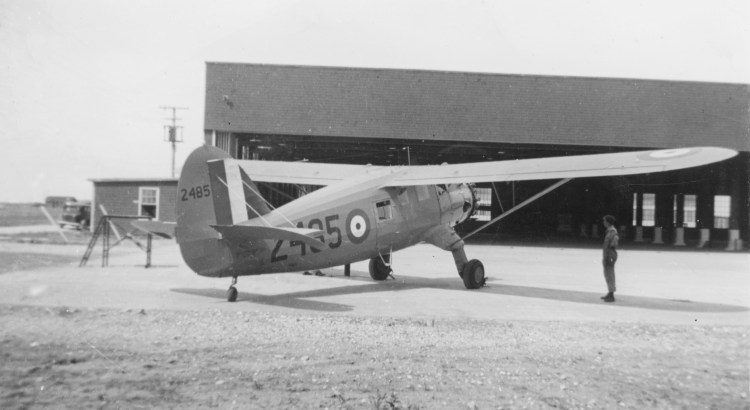
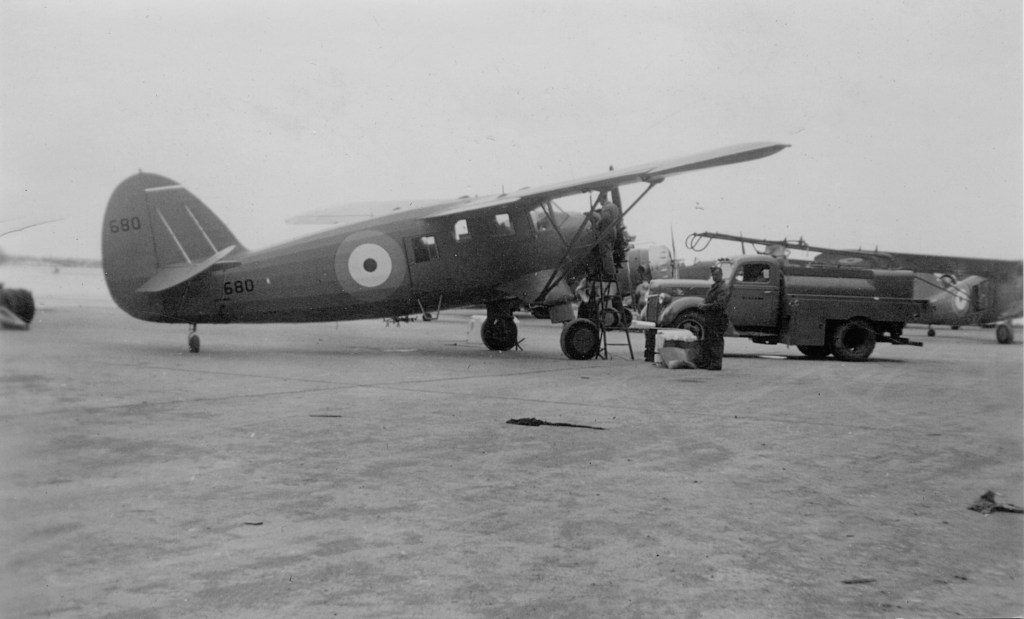
The Noorduyn Norseman was developed in Canada in 1935 by Robert C. Noorduyn. The Norseman was the first bush plane designed in Canada and was built to be the ultimate bush plane for Canada’s North. With its rugged construction and versatility, it became an iconic Canadian aircraft.
With the onset of war, the Royal Canadian Air Force (RCAF) ordered 38 Norseman aircraft for BCATP use, serving in roles such as transport, navigator training, and wireless operator training. Over the course of the war, about 100 Norseman aircraft entered RCAF service. Their durability also made them attractive to the United States military, which acquired nearly 700 for wartime use.
The Norseman remained in RCAF service until the late 1950s and later continued its career in Canada’s North as a preferred bush plane, securing its place in Canadian aviation history. The Norseman saw production for 25 years, with over 900 being built. It had an all-welded steel tubing fuselage with a fabric covering. The wings were wood with fabric cover. The Norseman had rugged landing gear that could be used with floats wheels, or skis.
Some Quick Facts
- Manufacturer: Noorduyn Aircraft Ltd., Montreal, QC
- Engines: Pratt & Whitney R-1340-AN-1 Wasp, 600 hp
- Maximum Weight: 7,400 lb (3,357 kg)
- Maximum Speed: 162 mph (261 kph)
- Cruising Speed: 148 mph (238 kph)
- Wingspan: 51 ft 6 in (15.7 m)
- Length: 32 ft 4 in (9.8 m)
- Service Ceiling: 17,000 ft (5,180 m)
- Range: 1,150 mi (1,851 km)
 Commonwealth Air Training Plan Museum & RCAF WWII Memorial