FOR IMMEDIATE RELEASE
Something New in the Hangar: CATPM Welcomes the Norseman Home
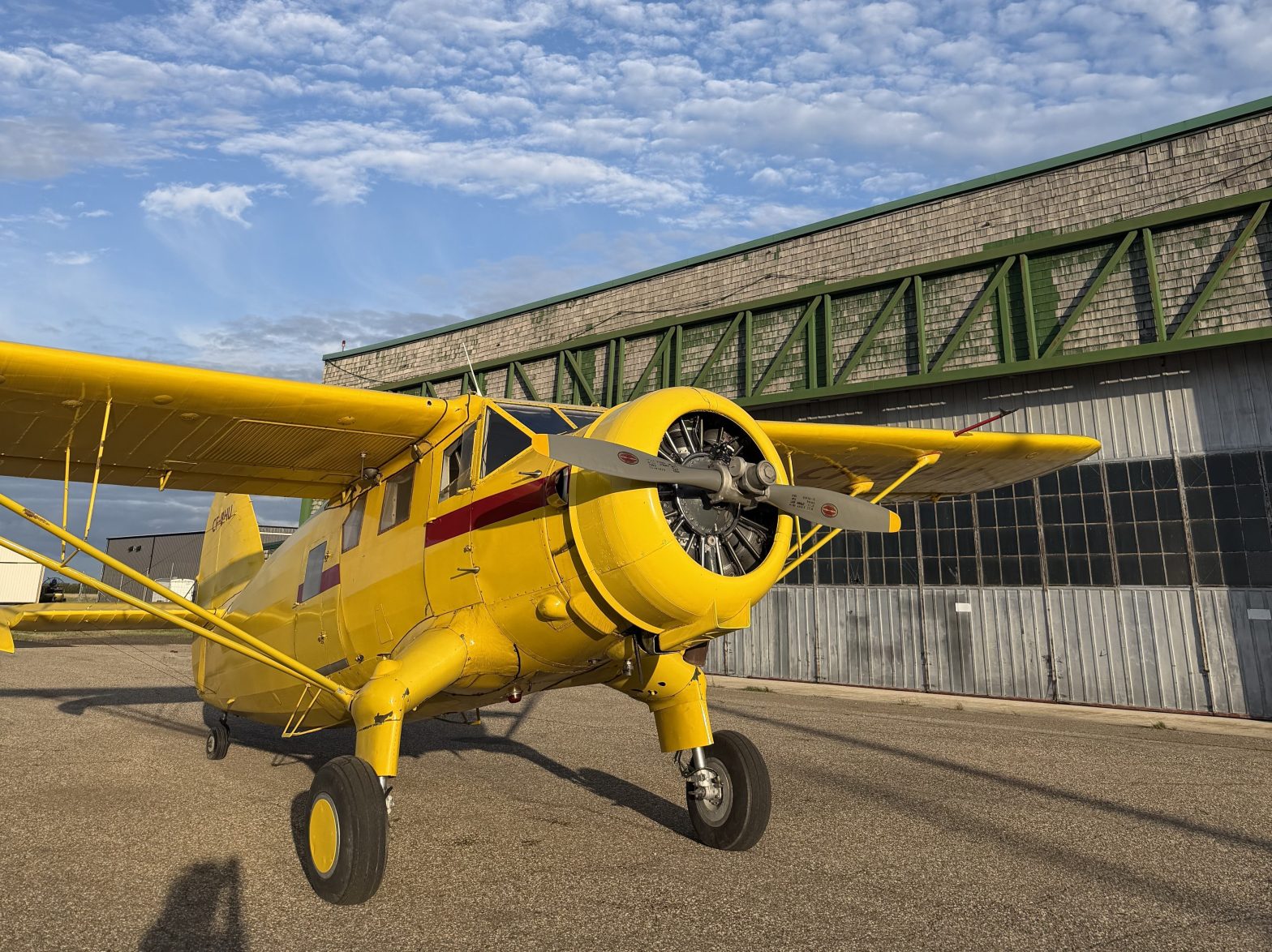
BRANDON, MB – There is something new, very big and very yellow, in the hangar at the Commonwealth Air Training Plan Museum.
After nearly two years of planning, coordination and hard work, a Noorduyn Norseman has arrived at CATPM in Brandon, adding one of Canada’s most iconic aircraft to the Museum’s growing collection.
The Norseman has long been an important aircraft for CATPM because its story connects the British Commonwealth Air Training Plan and wartime aviation.
“This is an exciting day for our Museum,” said Zoe McQuinn, Director General & CEO of CATPM. “The Norseman is unmistakably Canadian, and its story takes us from wartime training and service to bush flying and Canada’s North. After almost two years of work to bring it home, seeing it finally sitting in our historic hangar is pretty extraordinary. We can’t wait for people to come and see it.”
First developed in Canada in 1935 by Robert C. Noorduyn, the Norseman was designed for the demanding conditions of Canada’s North. Its rugged construction and versatility helped make it one of Canada’s most recognizable bush aircraft.
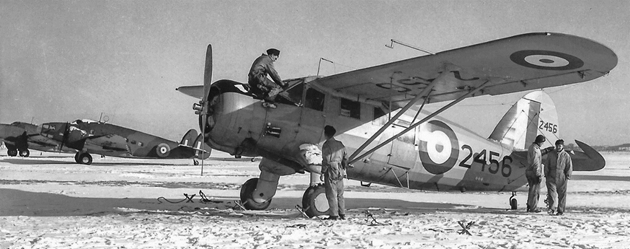
During the Second World War, the Royal Canadian Air Force initially ordered 38 Norsemans for use within the BCATP, where they served in roles including transport, navigator training and wireless operator training. Approximately 100 Norsemans ultimately entered RCAF service during the war.
For Jeff Bell, CATPM Head Pilot and Chair of the Flying and Restoration Committees, the arrival represents the culmination of an almost two-year project.
“This has been almost two years in the making. There has been a tremendous amount of work behind the scenes and a lot of people have contributed along the way. To finally have the Norseman here in Brandon and inside the hangar is a significant moment for everyone who helped make it happen.”
It Took a Team to Bring It Home
CATPM extends its deepest thanks to Dennis Mockford, Curt Enns and the entire Wings Over Kississing team, whose extraordinary support helped make the Norseman’s journey to Brandon possible.
Wings Over Kississing hosted the CATPM team, shared their knowledge and expertise, provided equipment and hands-on assistance, and worked alongside the Museum through the many challenges involved in bringing an aircraft of this size home.
“We simply could not have done this without them,” McQuinn said. “Every time we encountered a challenge, people pulled together to find a solution. The generosity of Wings Over Kississing and the wider aviation community, their time, expertise, equipment and willingness to help, has been remarkable. We are deeply grateful.”
CATPM also sincerely thanks Mr. Menno Bergen, Mr. Bill Jackson, Mr. Ike Enns, The Pas Flying Club, and Mr. Rodney Kozer who contributed to the project and helped make the aircraft’s arrival possible. We also thank the sincere help of our friends at Canadian Warplane Heritage, and Mr. Peter Stewart for his assistance
Come Meet the Norseman
The Norseman is now inside CATPM’s historic Second World War hangar and ready to meet its first visitors.
The Commonwealth Air Training Plan Museum is open every day this fall from 10:00 a.m. to 2:00 p.m.
Media Contact:
Zoe McQuinn, Director General & CEO
Commonwealth Air Training Plan Museum & RCAF WWII Memorial
204-727-2444 or DirectorGeneral@CATPM.onmicrosoft.com